Why Steel Frames Make Tall Buildings Stronger, Safer, and More Efficient
The structural benefits of steel in high-rise construction come down to strength, flexibility, and safety. Steel can carry heavy loads without taking up much space. It bends without breaking during strong winds or earthquakes. It also allows crews to build taller buildings faster and with fewer materials. These features make it one of the most trusted framing systems for modern skyscrapers and multi-story buildings.
Quick Answer: Why Builders Choose Steel for High-Rise Projects
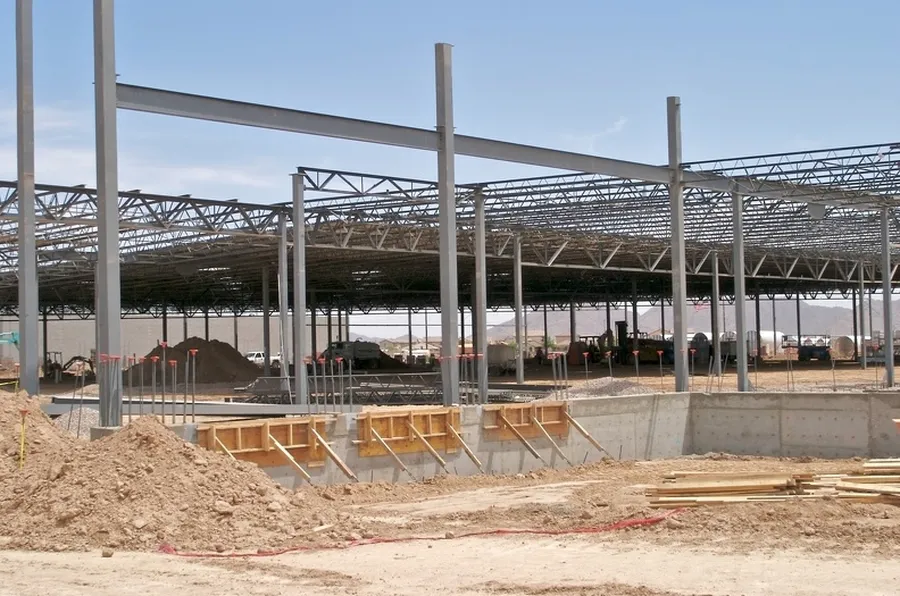
High-rise buildings must handle heavy weight, strong wind, and daily use from hundreds of people. steel construction provides a high strength-to-weight ratio. This means the frame is strong but not bulky. Thinner beams create more usable floor space. The structure can also flex slightly under pressure, which helps prevent sudden cracks or collapse.
Because steel parts are made in controlled factory settings, they arrive ready to install. This helps crews stay on schedule and reduces waste on site.
Strength and Load-Bearing Power
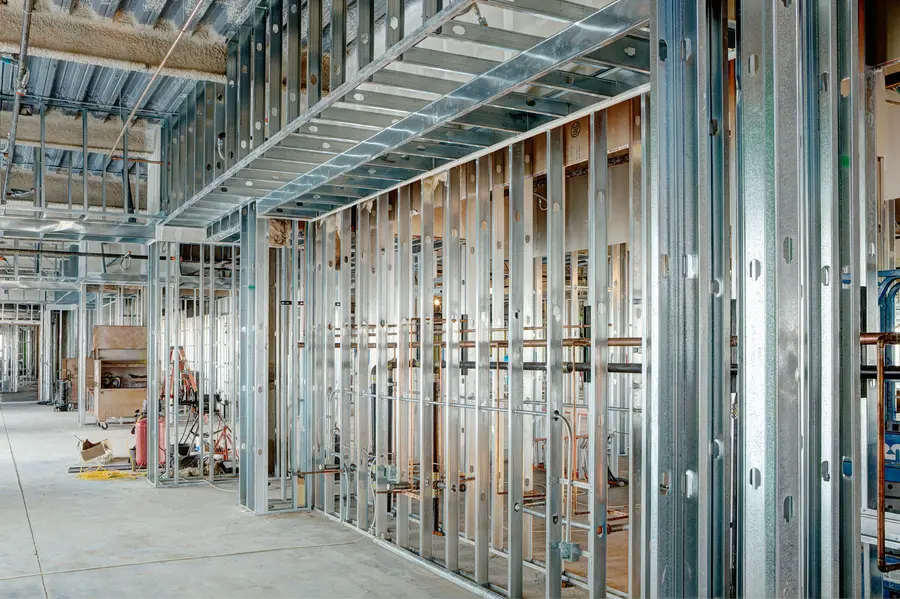
One of the biggest advantages of steel construction is its ability to support heavy vertical and horizontal loads. In a tall building, the lower floors carry the weight of everything above them. Steel columns can handle this pressure without needing massive thickness.
For example, in a 40-story office tower, steel beams distribute weight evenly across the frame. This lowers stress on any single point. The result is a stable building that stands firm for decades.
Flexibility During Wind and Seismic Activity
Tall buildings sway. This is normal. Wind pushes against the sides, and the structure must move slightly to absorb that force. Steel is flexible, which allows this movement without breaking.
During an earthquake, rigid materials can crack. Steel bends and returns to shape when properly designed. This reduces major structural damage and improves occupant safety.
- Absorbs shock from sudden movement
- Reduces risk of brittle fractures
- Keeps connections strong under stress
- Performs well in reinforced frame systems
Faster Construction Timelines
Time matters in commercial projects. Delays cost money. steel construction speeds up the building process because many components are pre-engineered and cut to exact sizes before delivery.
Crew members bolt or weld pieces together on site. This is often faster than forming and curing concrete at extreme heights. With quicker assembly, developers can complete projects sooner and open spaces for use earlier.
More Usable Space Inside the Building
Steel beams are thinner than many traditional materials with the same strength. Thinner structural members mean more open interior layouts. Tenants get larger rooms and flexible floor plans.
This is especially helpful for:
- Office buildings needing open work areas
- Apartment towers with flexible unit layouts
- Hotels requiring clear corridor spans
- Mixed-use buildings with retail on lower floors
Fire Resistance and Safety Features
Steel does not burn. While extreme heat can weaken it, modern high-rise design includes fireproof coatings and protective layers. These systems slow temperature rise and give occupants more time to exit safely.
Building codes require fire-rated assemblies around structural members. When combined with proper design, steel frames support strong fire performance standards in tall buildings.
Long-Term Durability and Reduced Maintenance
High-rise buildings must last many decades. Steel resists pests like termites and does not rot. When protected from moisture with coatings or galvanizing, it also resists corrosion.
Routine inspections help catch small issues early. Over time, this can lower repair costs compared to materials that crack or degrade faster.
Mistakes People Make When Evaluating Framing Systems
Some developers focus only on upfront material cost. They may overlook speed of installation, long-term durability, and usable square footage. A slightly lower material price does not always mean lower total project cost.
Others fail to plan for proper fireproofing or corrosion protection. Even the strongest system needs the right protective layers. Working with experienced engineers and fabricators helps avoid these errors.
Final Decision Checklist
If you are comparing framing systems for a tall project, ask:
- How tall is the building planned to be?
- What wind and seismic loads must it resist?
- How fast does the project need to be completed?
- How much open interior space is required?
- What are the long-term maintenance goals?
For many multi-story structures, steel construction meets these needs better than heavier or more rigid materials.
Speak With a Structural Team About Your High-Rise Project
If you are planning a tall building in Millbrook, AL, we can help you evaluate whether steel construction is the right fit for your design goals. Our team at N-State Contractors works closely with architects, engineers, and developers to plan safe, efficient structural systems. Call (334) 893-8858 to speak with us about your project and how we can support you from early planning through final installation.